Blogs
¿Está su MAM listo para 2026? Una lista de verificación para operaciones de medios a prueba de futuro.
29 dic 2025
Tecnología

Un sistema de gestión de activos multimedia (MAM) está listo para 2026 cuando centraliza la ingestión, catalogación, búsqueda y archivo en una única plataforma basada en la web accesible desde cualquier lugar, con la flexibilidad para adaptarse a diferentes tecnologías de almacenamiento y flujos de trabajo. VSNExplorer MAM ofrece estas capacidades clave a través de su interfaz HTML5 y arquitectura abierta.
Por qué los requisitos de MAM son diferentes en 2026
Las operaciones modernas de medios manejan contenido en múltiples formatos, ubicaciones y destinos simultáneamente. Los equipos necesitan un sistema que controle los activos desde la ingestión hasta la catalogación y el archivo, haciendo que el contenido sea inmediatamente buscable y reutilizable sin intervención manual.
Un MAM listo para 2026 debe:
Generar proxies, miniaturas y fotogramas clave automáticamente después de la ingestión para una navegación rápida.
Permitir una catalogación precisa (manual y asistida por IA) para que las búsquedas devuelvan clips o segmentos exactos.
Rastrear activos a través de diferentes tipos de almacenamiento (en línea, cerca de línea, fuera de línea) desde una única interfaz.
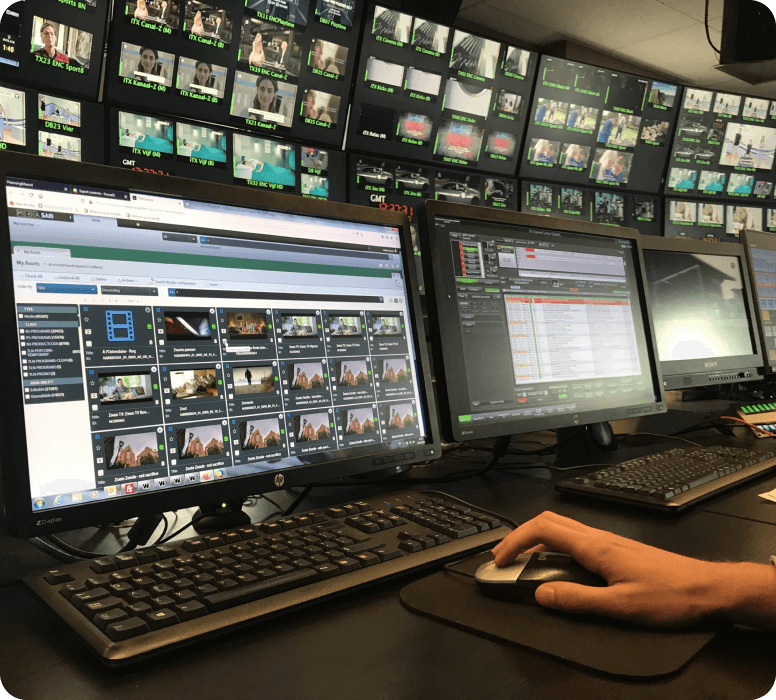
VSNExplorer MAM proporciona estas funciones a través de una interfaz 100% basada en la web que funciona en navegadores y sistemas operativos, con opciones de implementación que van desde entornos locales hasta la nube.
Arquitectura: Basada en la web y lista para integración
El MAM debe ser accesible sin instalaciones complejas e integrarse con flujos de trabajo existentes. VSNExplorer MAM es una plataforma orientada a servicios con una interfaz HTML5 completamente basada en la web asegurada a través de HTTPS.
Características clave:
Los usuarios acceden al sistema desde cualquier ubicación utilizando solo un navegador web, usuario y contraseña.
APIs abiertas permiten la integración con sistemas de terceros como flujos de trabajo de tráfico, producción de noticias y control de calidad.
Opciones de implementación escalables, incluidos modelos SaaS basados en la nube con precios por uso.
Esta arquitectura soporta el trabajo remoto y la evolución gradual de la infraestructura sin cambiar los flujos de trabajo de los usuarios.
Almacenamiento y seguimiento de activos: en línea, en espera y fuera de línea
VSNExplorer MAM rastrea activos a través de diferentes capas de almacenamiento: NAS, SAN, ODA, servidores de playout y archivos gestionados por HSM, manteniendo la información del catálogo centralizada en la base de datos, independientemente de dónde residan físicamente los archivos.
Las capacidades admitidas incluyen:
Gestión de almacenamiento inteligente para niveles en línea, fuera de línea y en espera, con control sobre qué almacenamiento se designa como en espera o fuera de línea a través de la integración de HSM.
Archivado y restauración parcial a robots LTO (a través de sistemas HSM como Xendata, SGL, Front Porch Digital), Blu-Ray, discos duros y otros medios, manteniendo copias de baja resolución permanentes para vista previa y edición.
Seguimiento de activos en todas las ubicaciones de almacenamiento, proporcionando visibilidad en tiempo real de las transferencias de archivos y el estado del contenido.
Los equipos de ingeniería mantienen control total sobre las políticas de almacenamiento y las ubicaciones de los activos desde la interfaz web.
Ingesta y preparación de medios
Una ingesta eficiente establece la base para todo lo demás. VSNExplorer MAM maneja esto a través de:
Agente de escritorio VSN para registrar y transferir contenido desde ubicaciones locales o remotas, además de la carga mediante arrastrar y soltar basada en la web.
Procesamiento automático después de la ingesta: transcodificación, generación de proxies de baja resolución, miniaturas, fotogramas clave y detección de cambios de toma para una rápida navegación en la línea de tiempo.
Integración con soluciones de ingesta para inclusión automática de contenido e importación de metadatos (XML, TXT, XLS o API).
Estos pasos garantizan que los activos sean inmediatamente utilizables para la catalogación y búsqueda.
Catalogación, metadatos de IA y búsqueda
VSNExplorer MAM combina precisión manual con automatización de IA:
Catalogación manual a través de la herramienta Logger, que admite marcadores, segmentos (precisión de fotograma o GOP), metadatos predefinidos y texto libre, incluidos los bloqueos de derechos de autor a nivel de segmento.
Extracción de metadatos de IA mediante integración con motores de Microsoft Azure, Google Cloud, IBM Watson y AWS, analizando contenido para catalogación automática con resultados visibles directamente en la interfaz.
Búsqueda avanzada con indexación predictiva, búsqueda semántica y filtros facetados para localizar activos completos o segmentos específicos rápidamente.
Modelos de metadatos personalizables (con editor de reglas) y soporte para estándares como EBU y SMPTE se adaptan a diferentes tipos de contenido y flujos de trabajo.
Seguridad y control operativo
La protección y visibilidad están integradas en cada operación:
Acceso seguro a través de HTTPS con integración a dominios corporativos (AD, LDAP) para gestión centralizada de usuarios.
Transferencias de archivos cifradas (AES-256 bits) y permisos granulares por usuario, departamento o rol.
Monitoreo en tiempo real de transferencias de archivos y estado de activos en todos los sistemas de almacenamiento conectados.
La arquitectura multitenant permite a cada organización personalizar los parámetros de acceso y seguridad.
Publicación y distribución
VSNExplorer MAM admite la entrega de contenido a:
Servidores de playout de TV lineales y plataformas web.
Publicación en YouTube directamente desde la interfaz.
Se pueden implementar flujos de trabajo de distribución adicionales a través de las capacidades de integración abierta de la plataforma.
Utilice esta lista de verificación para evaluar su MAM actual en comparación con las capacidades probadas de VSNExplorer:
Arquitectura y Acceso
Interfaz HTML5 basada en la web accesible a través de cualquier navegador con seguridad HTTPS.
APIs abiertas para integración con tráfico, noticias, control de calidad y otros sistemas de producción.
Flexibilidad de implementación (local, en la nube, SaaS).
Ingesta y Preparación
Agente de escritorio y carga web para ingesta local/remota.
Generación automática de proxy, miniaturas, fotogramas clave y detección de tomas.
Importación de metadatos desde soluciones de ingesta a través de archivos o API.
Catalogación y Búsqueda
Herramienta de registro para catalogación manual de segmentos y marcadores.
Integración de metadatos de IA (Azure, Google, IBM Watson, AWS).
Búsqueda predictiva con capacidades semánticas y facetadas.
Almacenamiento y Archivo
Rastreo de activos a través de tipos de almacenamiento Online/Nearline/Offline.
Integración de HSM para archivo LTO con restauración parcial.
Copias permanentes de baja resolución para vista previa y edición remota.
Seguridad y Operaciones
Integración AD/LDAP y permisos basados en roles.
Transferencias encriptadas AES-256 y monitoreo en tiempo real.
Arquitectura multitenant para implementaciones personalizadas.
De la Lista de Verificación a los Siguientes Pasos
Los equipos que marcan la mayoría de estas casillas tienen una base sólida para las operaciones de medios de 2026. VSNExplorer MAM proporciona estas capacidades probadas en producción en una plataforma única accesible a través de la web que se adapta a las necesidades del negocio y se integra con la infraestructura existente.