Blogs
La Nueva Era de la Gestión de Activos Digitales: Cómo Trabajan Realmente los Creadores Modernos Hoy en Día
5 ene 2026
Tecnología
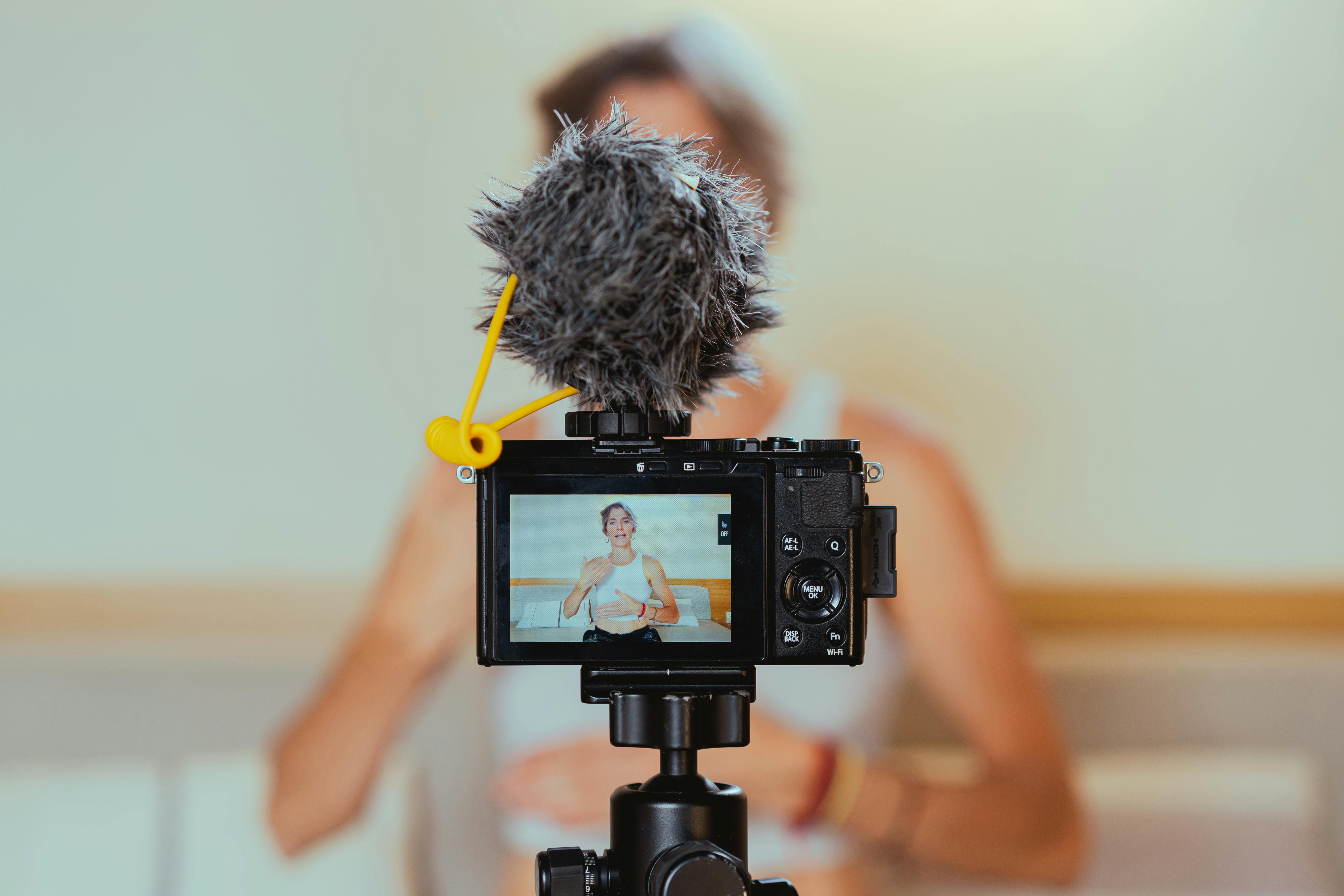
La forma en que se crea el contenido digital ha cambiado drásticamente en la última década.
Lo que no siempre ha evolucionado al mismo ritmo es cómo se organiza, accede y reutiliza ese contenido.
Hoy en día, los activos digitales ya no son gestionados exclusivamente por los departamentos de medios tradicionales. La creación de contenido ahora involucra a equipos de marketing, gerentes de redes sociales, influenciadores, freelancers, embajadores de marca y escuadras creativas híbridas que trabajan en múltiples plataformas y ubicaciones.
Este cambio ha expuesto un desafío creciente:
cómo gestionar los activos digitales de manera eficiente en un entorno definido por la velocidad, la escala y la colaboración.
De bibliotecas de medios a ecosistemas creativos
Los creadores modernos no piensan en términos de “archivos” o “bibliotecas”.
Piensan en términos de campañas, historias, formatos y momentos.
Una sola pieza de contenido puede necesitar ser:
Reutilizada en plataformas sociales
Adaptada para diferentes audiencias
Reutilizada meses más tarde para nuevas campañas
Compartida de manera segura con colaboradores externos
Los sistemas DAM tradicionales fueron diseñados para entornos controlados y usuarios técnicos.
Los equipos creativos modernos necesitan algo diferente: un sistema que se adapte a cómo las personas realmente trabajan hoy.
Por qué la IA se está volviendo esencial en la Gestión de Activos Digitales
A medida que los volúmenes de contenido crecen, la organización manual simplemente no escala.
La Inteligencia Artificial ya no es un “complemento” en las plataformas DAM — se está convirtiendo en un requisito fundamental. Las soluciones DAM impulsadas por IA pueden:
Analizar automáticamente imágenes, videos y documentos
Generar metadatos significativos sin esfuerzo manual
Mejorar la precisión de búsqueda en bibliotecas grandes y diversas
Ayudar a los equipos a descubrir contenido que ni siquiera sabían que existía
En lugar de obligar a los usuarios a adaptarse a sistemas complejos, la IA permite que el sistema se adapte al usuario.
La accesibilidad importa: DAM para creadores, no solo para especialistas
Una de las mayores barreras para la adopción de DAM es la usabilidad.
Si una plataforma requiere sesiones de capacitación o experiencia técnica, los equipos creativos simplemente no la utilizarán. Las soluciones DAM modernas deben ser:
Intuitivas para usuarios no técnicos
Lo suficientemente rápidas para flujos de trabajo creativos diarios
Flexibles para diferentes tipos de contenido
Seguras, sin añadir fricción
Este es el lugar donde plataformas como Arena Pro reflejan un nuevo enfoque hacia la Gestión de Activos Digitales — uno diseñado para creadores primero, sin sacrificar el control a nivel empresarial.
Conectando estructura y creatividad
El futuro de DAM no se trata de control rígido frente a libertad creativa.
Se trata de conectar estructura con creatividad.
Una plataforma DAM moderna debería:
Soportar flujos de trabajo creativos de ritmo rápido
Permitir la colaboración entre equipos y socios
Mantener gobernanza, seguridad y trazabilidad
Escalar desde equipos pequeños hasta grandes organizaciones
Este equilibrio es especialmente crítico a medida que las empresas operan en la economía de creadores, donde la producción de contenido es continua, distribuida y altamente dinámica.
Elegir el DAM adecuado para la próxima generación de creadores
Seleccionar una plataforma de Gestión de Activos Digitales hoy en día se trata menos de características y más de ajuste:
¿Se adapta a los flujos de trabajo en evolución?
¿Puede crecer con tu estrategia de contenido?
¿Es descubrible a través de búsqueda impulsada por IA?
¿Empodera a los usuarios en lugar de ralentizarlos?
A medida que la creación de contenido continúa expandiéndose más allá de los entornos mediáticos tradicionales, las plataformas DAM deben evolucionar en consecuencia.
Arena Pro representa esta nueva generación de Gestión de Activos Digitales:
una plataforma diseñada para ayudar a los creadores y equipos modernos a enfocarse menos en gestionar activos — y más en crear valor con ellos.