Blogs
La transformación enfocada en redes sociales: medios de comunicación, IA y el futuro de la radiodifusión
27 may 2026
Tecnología

El cambio de paradigma: de la emisión tradicional al consumo enfocado en redes sociales
El panorama de los medios de comunicación mundiales está experimentando un cambio de poder fundamental que ha desmantelado de manera efectiva el monopolio de la información que durante mucho tiempo ostentaron las cadenas tradicionales. El modelo de «telediario» (centralizado, programado y autoritario) ha sido sustituido por un ecosistema enfocado en las redes sociales, dominado por TikTok y YouTube. Esta transición representa una transferencia estratégica del control narrativo de los intermediarios de los medios a los «propietarios de la narrativa», incluidas corporaciones y partidos políticos que ahora evitan a los intermediarios tradicionales para interactuar directamente con el público. Para el grupo demográfico de veinteañeros, las plataformas sociales no son un simple canal complementario, sino la fuente exclusiva de información primaria. Los medios tradicionales han quedado relegados a una utilidad de nicho, un destino secundario utilizado únicamente por los consumidores de «alto rendimiento» para verificar si una narrativa de las redes sociales «es realmente cierta».
Evolución del consumo de información
Métrica
Emisión tradicional
Plataformas enfocadas en redes sociales
Fuente principal de contenido
Noticias programadas (telediario)
TikTok, YouTube e hilos de redes sociales
Control de la narrativa
Intermediarios de medios centralizados
«Propietarios de la narrativa» descentralizados
Hábitos de verificación de la audiencia
Fuente principal de la verdad
Verificación de hechos de nicho de las narrativas de las redes sociales
Este cambio en el consumo ya no es una tendencia, sino una crisis existencial para las cadenas tradicionales, lo que exige un giro inmediato de los flujos de trabajo centrados en la emisión a los nativos de las redes sociales.
La crisis del «elefante tradicional»: obstáculos para la innovación
Las cadenas tradicionales nacionales e internacionales, sobre todo en el mercado español, se enfrentan actualmente a dificultades como «elefantes tradicionales». Estas organizaciones se caracterizan por una inmensa inercia estratégica que resulta cada vez más peligrosa en una era definida por ciclos de desarrollo diez veces más rápidos (10x). Mientras que el sector tecnológico avanza entre cinco y diez veces más rápido que en décadas anteriores, estos «elefantes» siguen anclados en pilas tecnológicas estancadas y jerarquías rígidas. Este desajuste en la velocidad genera una vulnerabilidad crítica: para cuando una cadena tradicional implementa una nueva solución, el comportamiento de la audiencia ya ha migrado a la siguiente plataforma.
Factores de inercia
Inercia estratégica: resistencia cultural a desmantelar las jerarquías de las salas de redacción en favor de grupos de trabajo ágiles y multiplataforma.
Declaración de impacto: da como resultado la pérdida total de los grupos demográficos más jóvenes en favor de competidores nativos digitales.
Pilas tecnológicas estancadas: dependencia de sistemas de gestión de contenido monolíticos que no pueden conectarse de forma nativa con la distribución enfocada en las redes sociales.
Declaración de impacto: crea un cuello de botella técnico que impide la interacción y distribución en tiempo real.
Desajuste de velocidad: operar con ciclos de contratación plurianuales mientras que el sector se mueve a la velocidad de las actualizaciones semanales de IA.
Declaración de impacto: obsolescencia institucional a medida que la tecnología supera la capacidad de adaptación de la organización.
La supervivencia requiere la implementación de herramientas impulsadas por IA que funcionen en paralelo con la infraestructura existente, evitando la resistencia interna para enriquecer el contenido sin exigir una revisión total del sistema.
La evolución de la IA: de asistente a operador
En el último trimestre, la IA generativa ha pasado de ser un asistente pasivo a convertirse en un «operador» o «agente» activo. Estos agentes autónomos ejecutan ahora flujos de trabajo complejos (búsqueda de fuentes, compra de artículos y gestión de la distribución multiplataforma) con una intervención humana mínima. Sin embargo, este cambio introduce el «peligro de la producción». La IA a menudo «miente de forma hermosa» (mentiras bonitas), produciendo alucinaciones o lógicas de transcodificación incoherentes que pueden socavar los estándares profesionales. En líderes del sector como VSN y Woody, el 87 % del nuevo código se genera mediante IA, pero nunca se implementa sin procesar. Se procesa a través de una capa rigurosa de agentes de prueba automatizados y validación profesional para garantizar la mantenibilidad y la coherencia.
Calidad frente a velocidad: el modelo de validación profesional
El desarrollo moderno requiere cerrar la brecha entre los resultados brutos de la IA y la estabilidad de nivel profesional. Al utilizar herramientas de automatización de código bajo como n8n, las organizaciones pueden vincular las capacidades comerciales de la IA con flujos de trabajo profesionales. Sin embargo, sin un marco de validación como el modelo de VSN/Woody, la creación rápida de prototipos produce un código «desechable» que carece de la confiabilidad requerida para emisiones de alto riesgo.
Búsqueda basada en la narrativa e inteligencia de contenidos
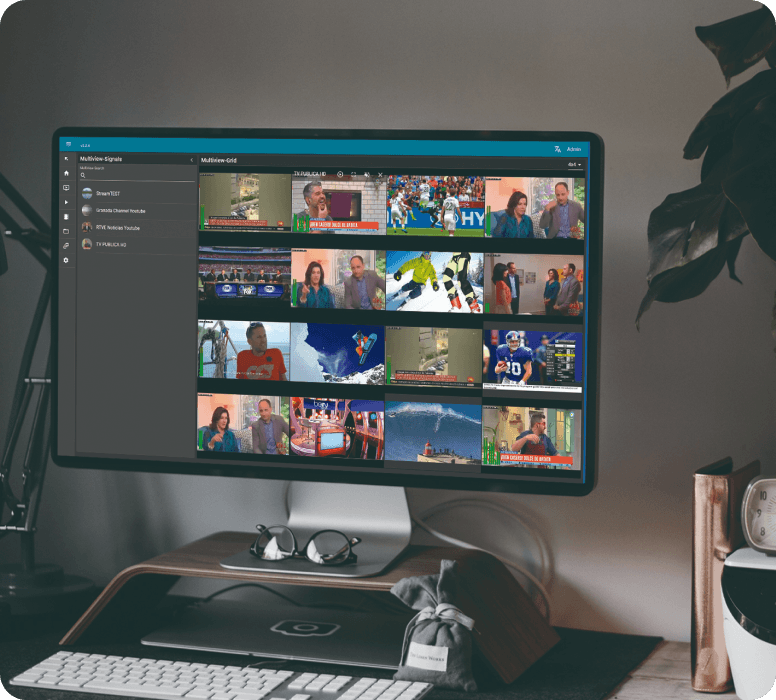
El sector está yendo más allá de los metadatos para dirigirse hacia la «búsqueda narrativa», donde la intención temática reemplaza la coincidencia de palabras clave. Una corporación que monitoriza la «eficiencia energética» o un periodista que realiza el seguimiento de un cambio político ya no buscan términos específicos; buscan el arco narrativo en todo el panorama digital. Woody Vision se ha convertido en una herramienta fundamental en este ámbito y actualmente tiene una lista de espera de 14 clientes gracias a su capacidad para agrupar contenidos por estilo de narración en lugar de limitarse a la fecha o la fuente.
Woody Vision «cierra el círculo» de la producción al integrar las reacciones de las redes sociales directamente en el entorno de edición VSN Arena. Esto permite a los periodistas ver métricas de participación en tiempo real (me gusta, veces compartido y opiniones) dentro de su espacio de trabajo profesional, lo que les permite priorizar los clips con mayor probabilidad de resonar en la audiencia de las redes sociales.
Los cuatro pilares de la búsqueda narrativa
Integración multilingüe: sintetizar búsquedas en el idioma nativo en redes sociales globales.
Inteligencia geolocalizada: señalar el origen físico de las narrativas de última hora a través de los datos sociales.
Agrupación narrativa: ir más allá de las palabras clave para agrupar el contenido por intención temática.
Bucles de retroalimentación integrados: visibilidad directa de las métricas de participación social dentro del entorno de producción para orientar las decisiones editoriales.
Infraestructura transversal: la convergencia de medios, satélites y defensa
La infraestructura mediática moderna es cada vez más transversal y fusiona la difusión de contenidos con las comunicaciones por satélite y la seguridad de nivel militar. ICOX representa esta convergencia, proporcionando la estructura física y digital (desde antenas hasta estaciones terrestres) tanto para el sector comercial como para el de defensa. En entornos de alta seguridad, la «soberanía de los datos» es el mandato principal. Como señalan expertos como Charlie Alonso, los sectores militar y de defensa no pueden utilizar una IA en la nube «abierta» debido al riesgo de filtración de datos. Esto ha llevado al desarrollo de modelos de IA «internalizados» o «cerrados», es decir, sistemas soberanos que ofrecen potencia generativa sin exponer información confidencial a proveedores externos. Este modelo de IA segura y localizada es ahora el modelo para las herramientas de medios profesionales de gama alta.
Sinergia de infraestructuras
Distribución por satélite: proporciona alcance global y transmisión de señales para datos de alta seguridad.
Soberanía de los datos: uso de agentes de IA «cerrados» para garantizar que no haya filtraciones de datos a nubes públicas.
Integración industrial: fusionar la fabricación de hardware con el desarrollo de IA especializada para entornos de medios seguros.
La fuerza laboral del futuro: el modelo de productividad humano-agente
La transformación de la IA está remodelando de manera fundamental la fuerza laboral, moviendo a las organizaciones hacia una estructura de unidades verticales o «basada en grupos». En VSN, este cambio ha demostrado que un solo especialista ahora puede realizar el trabajo que antes se asignaba a un equipo de cinco personas. El peligro de la obsolescencia es real; la transición es análoga al cambio del sector del formato Beta al digital. Quienes no consigan «reciclar» sus capacidades se quedarán atrás. El futuro pertenece al «director de narrativa», un profesional que se aleja del recorte manual y la introducción de metadatos para supervisar una flota de agentes autónomos.
Fórmula de productividad del futuro
Productividad = [1 especialista humano] + [N agentes autónomos]
En esta nueva realidad, la curiosidad técnica es la única defensa contra la obsolescencia. Los profesionales deben evolucionar para comandar agentes, gestionar la intención narrativa y garantizar el control de calidad, ya que la capacidad de dirigir flotas de IA se convierte en el principal diferenciador en el sector de los medios de comunicación.