News and EVents
Navigating the EU AI Act: Why Media Sovereignty is the New Benchmark for Cloud DAM in Europe
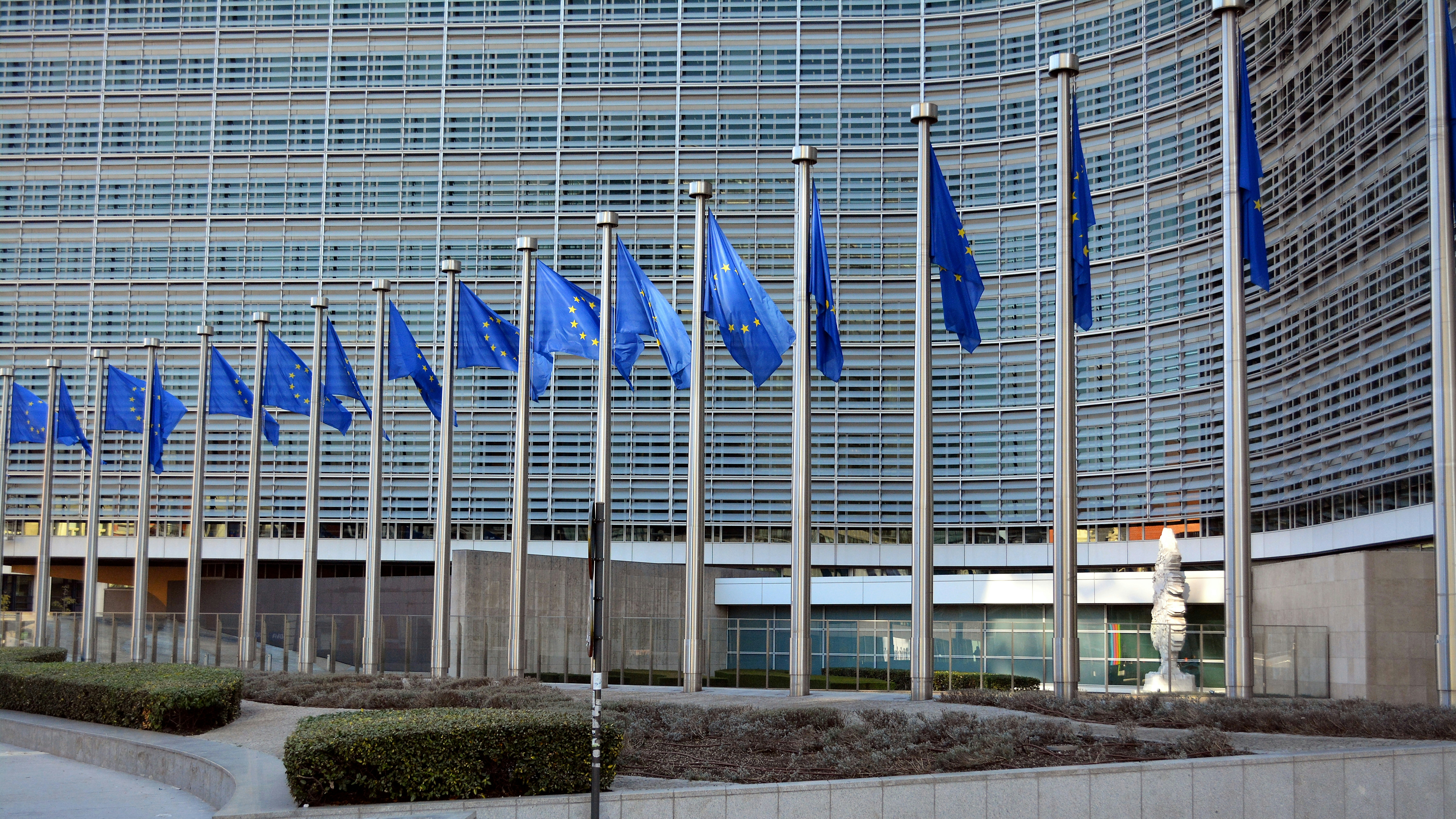
As the media and entertainment industry charges through the mid-point of 2026, European broadcasters find themselves at a critical regulatory crossroads. The imminent full enforcement of the EU Artificial Intelligence Act (AI Act), combined with the European Commission's massive tactical shift toward sovereign cloud infrastructures, has permanently rewritten the procurement playbook for media technology.
For years, selecting an enterprise Digital Asset Management (DAM) or Media Asset Management (MAM) platform was judged primarily on feature depth and transcoding speeds. Today, European CTOs must ask a far more legally binding question: Where does the media live, and who controls the intelligence layer processing it?
While global generic platforms and legacy US-centric systems scramble to adapt their compliance frameworks, VSN Arena offers a structurally compliant solution engineered for Europe's strict regulatory reality.
The EU AI Act and the Threat of "Black-Box" Orchestration
The new legislative framework imposes strict transparency obligations on general-purpose AI models, particularly those used to index, catalogue, and tag media assets. Many standard Cloud DAM solutions rely on third-party public AI engines that aggregate data on extra-European servers.
This introduces two massive operational risks for EMEA media companies:
Intellectual Property Contamination: Uploading copyrighted broadcast archives to non-sovereign AI models risks violating compliance mandates.
Lack of Regulatory Transparency: Under the EU AI Act, systems must ensure data lineage is trackable. If your DAM utilizes a "black-box" AI tool hosted outside European borders, verifying compliance becomes an architectural nightmare.
Our Stance: A leading media platform in 2026 cannot treat AI as a generic, third-party plug-in. VSN Arena implements a Multi-Engine AI Orchestration architecture that allows European organizations to choose localized, compliant AI models, keeping full data lineage and metadata generation entirely within secure, legally approved boundaries.
The Rise of Sovereign Cloud vs. Hyper-Scaler Lock-In
The European Commission's recent 180 million Euro Sovereign Cloud tender underscores a growing macroeconomic truth: digital sovereignty is now non-negotiable. Legacy providers like Dalet (with their new agentic AI solutions) or generalist marketing platforms like Bynder often force users into rigid hyper-scaler structures. This setup frequently subjects European broadcasters to the vulnerabilities of international data transfer disputes.
Regulatory & Technical Requirement | Standard Cloud DAM / Legacy MAM | VSN Arena Architecture |
EU AI Act Compliance | Reactive / Dependent on US third-party models | Native / Localized Data Lineage Tracking |
Data Sovereignty (SEAL Levels) | Subject to Cloud Act liabilities | Compliant with European Sovereign Nodes |
Video Workflow Native TCO | High egress fees on marketing-first architectures | Optimized broadcast-tier storage orchestration |
Moving Beyond "Marketing-First" DAMs
European enterprise media groups don't just store static images; they orchestrate high-bitrate live video production, complex scheduling via traffic systems (like VSN Crea), and multi-platform cloud distribution.
Opting for generalist platforms means incurring massive "cloud taxes" via hidden egress and transcoding fees. Conversely, clinging to rigid, heavyweight legacy systems slows down time-to-market. The industry now demands a middle ground: an agile, Open-API-first media hub that respects data governance laws without sacrificing speed.
Strategic Decision-Making for European Media Executives
The choice of a cloud ecosystem made in 2026 will dictate organizational compliance for the next decade. Competitors may offer flashier AI conversational interfaces, but if they fail to address the core legal realities of the European landscape, they represent a compliance liability.
VSN Arena bridges the gap between next-generation capability and local law. It ensures that your media assets, metadata, and AI infrastructure are legally secure, highly performant, and completely within your control.
SHARE: