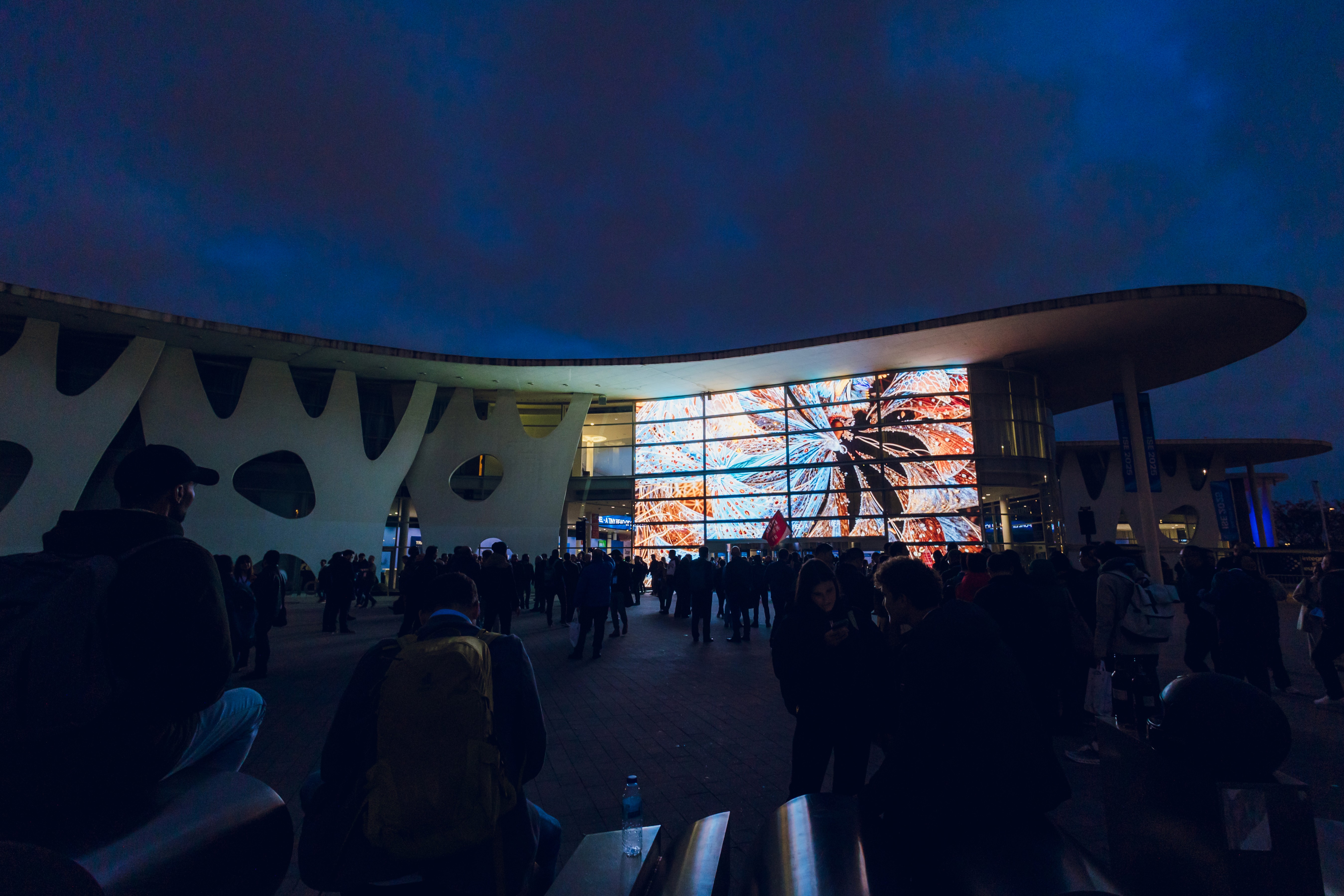
ISE 2026 in Barcelona has closed its doors, but its impact on broadcasters and media companies is only just beginning to unfold. Under the “Push Beyond” theme, the show confirmed that convergence between AV, broadcast, and digital media is now a reality, not a prediction. For anyone working in content creation, distribution, or monetization, this edition of ISE offered clear signals about where to invest next.
1. AI is moving from hype to everyday utility
One of the strongest takeaways from ISE 2026 is that artificial intelligence is no longer a futuristic demo; it is becoming an operational layer across the entire media value chain. From speech-to-text and automated metadata enrichment to highlight generation and content recommendations, AI-driven tools are maturing fast and integrating with existing MAM, playout, and archive systems.
For broadcasters and media companies, the lesson is clear: AI should be considered in terms of specific use cases—such as accelerating news production, optimizing archive search, or personalizing OTT experiences—rather than as a standalone “innovation project”. The organizations that will benefit most are those able to combine AI with robust data governance and clear editorial guidelines, ensuring that automation enhances creativity instead of diluting brand identity.
2. IP-first and cloud-first are now default assumptions
The transition from baseband SDI to IP, and from on‑premise to hybrid and cloud architectures, was a recurring theme in conference sessions and on the show floor. Vendors presented more mature implementations of standards such as SMPTE ST 2110, alongside cloud-native production and distribution platforms that support remote and distributed teams.
For media companies, ISE 2026 reinforced that infrastructure decisions can no longer be separated from workflow design. An IP and cloud-ready backbone enables flexible resource allocation, remote production at scale, and faster deployment of new channels or pop-up services. At the same time, the need for interoperability and open APIs is more pressing than ever, as nobody can afford isolated islands of technology in a converged media environment.
3. Immersive experiences are redefining content expectations
Immersive audio suites, XR stages, LED volumes, and virtual production workflows were among the most visited areas of the show. They showcased how cinematic visuals, interactive environments, and multi-sensory experiences are increasingly expected not only in entertainment, but also in sports, news, and corporate communication.
For broadcasters, this means the bar for “premium” content continues to rise. Viewers are becoming accustomed to AR-enhanced storytelling, dynamic graphics, and spatial audio that brings them closer to the action. Media companies that experiment now with virtual sets, real‑time graphics pipelines, and immersive formats will be better positioned to attract both audiences and advertisers looking for distinctive, high‑impact experiences.
4. Cybersecurity is now a core media concern
The introduction of dedicated cybersecurity content and summits at ISE 2026 underlined a critical shift: securing media infrastructure is no longer just an IT topic. As production and playout chains become IP-based and remotely accessible, the attack surface for cyber threats expands dramatically.
For broadcasters and media organizations, this is a wake-up call to treat cybersecurity as an integral part of system design and daily operations. That means hardening access to production systems, segmenting networks, monitoring for anomalies in real time, and aligning with international standards and best practices. Beyond technology, the human factor—training teams to recognize risks and follow procedures—proved to be just as important in the conversations at ISE.
5. Sustainability and efficiency are aligning with business goals
Sustainability also had a visible presence at ISE 2026, with many manufacturers highlighting lower power consumption, longer equipment lifecycles, and more efficient cooling and space usage in their solutions. For media companies facing both cost pressure and corporate ESG commitments, this alignment between environmental and economic efficiency is becoming a strategic differentiator.
The takeaway for broadcasters is that “doing more with less” is no longer just a mantra about staff and budgets; it now also applies to energy, rack space, and carbon footprint. Choosing vendors and architectures that support greener operations can reduce operating costs while contributing to sustainability targets that matter to audiences, investors, and regulators alike.
6. What this means for your roadmap
Looking back at ISE 2026, three priorities emerge for broadcasters and media companies:
Turn AI from pilot to production by focusing on clearly defined use cases that deliver measurable gains in speed, quality, or revenue.
Treat IP and cloud as the foundation for future workflows, ensuring interoperability and flexibility rather than simply replacing legacy systems like-for-like.
Integrate security and sustainability into every technology decision, from infrastructure to production tools and delivery platforms.
For companies like VSN, these trends validate a strategy built around open, interoperable, and workflow-oriented solutions that help customers adapt quickly to change. By combining advanced automation and content management with IP-native, cloud-ready architectures, technology partners can play a key role in turning the lessons of ISE 2026 into concrete competitive advantage for broadcasters and media companies worldwide.
SHARE: