RTVE and the challenge of enhancing its archive for next‑generation media workflows

Radiotelevisión Española (RTVE), Spain’s public broadcaster, needs to refine its recording, preservation and cataloguing workflows to better support its Documentary Archive. The corporation is looking for a robust solution that combines multi‑channel continuous recording, proxy generation and automated compaction, fully integrated with existing systems and archival processes.
VSN is delivering an end‑to‑end system based on its ingest and recording technology, designed to streamline archive‑oriented workflows and ensure long‑term access to broadcast content.
RTVE, Unitecnic and VSN are currently working together on a critical project for the broadcaster: uninterrupted capture of its continuity channels to enrich and safeguard its documentary archive. The main challenge is to ensure continuous, reliable and easily searchable recording, aligned with new IP infrastructures based on SMPTE ST 2110 standards for UHD, while HD signals continue to arrive over baseband SDI.
High‑density ingest and playout solution based on VSNOneTV
At the core of the solution, a VSNOneTV configuration acts as a high‑density ingest engine, ready to handle native UHD IP signals and HD signals from baseband SDI sources, fully integrated with other continuity systems. The platform is sized to record multiple channels simultaneously and to support long retention windows without impacting on‑air performance.
Challenge: efficiency, control and long‑term preservation
RTVE has to guarantee uninterrupted recording of its continuity channels while improving internal access to content and the delivery pipeline to its historical archive. Reducing manual tasks, increasing the precision of emission logs and simplifying content retrieval are key goals to preserve the broadcaster’s audiovisual heritage.
At the same time, the ongoing move to HD and UHD, including IP workflows based on SMPTE ST 2110, requires a future‑proof solution built for current and next‑generation broadcast standards.
VSN solution: multi‑channel continuous recording and instant proxies
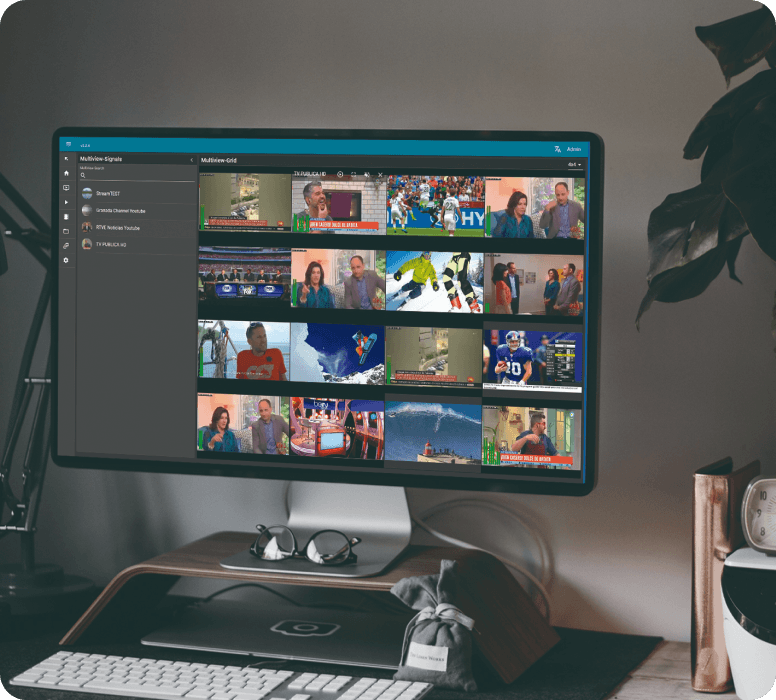
The solution that VSN is implementing enables continuous recording of six simultaneous broadcast channels: four HD‑SDI channels and two UHD channels over SMPTE ST 2110, with a retention window of ten days. All content is securely stored on a NAS system with automated deletion policies after the configured retention period, optimizing storage usage and operational costs.
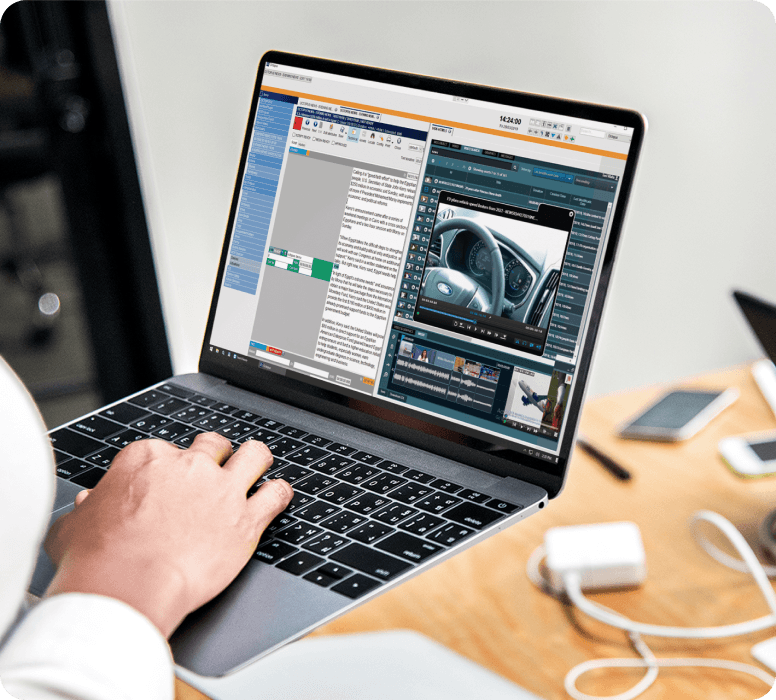
In parallel, the platform generates H.264 proxy files for all channels, allowing teams to review content immediately from any workstation without relying on high‑bitrate masters. Operators control the entire process using Air Manager, where they can access recordings, play back proxies and perform frame‑accurate manual segmentations through an intuitive interface.
Automated compaction for the Documentary Archive
One of the core elements of the ongoing project is an automated compaction workflow driven by broadcast XML schedule and as‑run files, turning continuity recordings into archive‑ready assets. This automated process:
Applies precise cut points to the continuous recording based on XML data.
Generates a compact file in the same HD or UHD format used for the original transmission.
Produces an updated XML file with the corresponding technical metadata.
Sends both the media file and the XML to the Documentary Archive FTP, integrating with RTVE’s existing archive workflows.
Alongside this automation, users can still create compacted clips manually via Air Manager, ensuring maximum flexibility for special cases and editorial adjustments.
New interface for Emission Log consultation
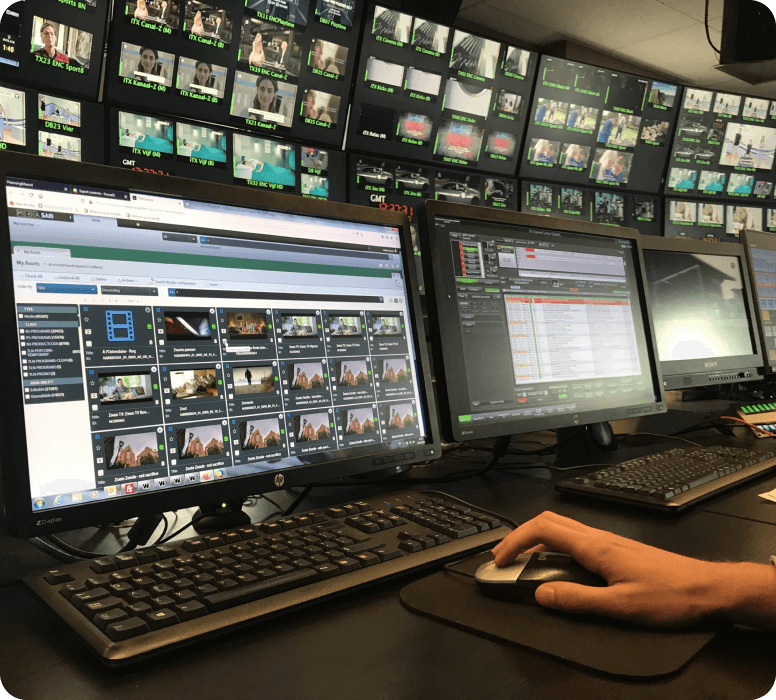
To complete the workflow, VSN is delivering an interface that simplifies Emission Log consultation and its link to the continuous recordings. Users can search and filter by channel, date and other criteria, and quickly locate any event or piece of content associated with the continuity log.
This tighter connection between continuity, documentation and archive makes collaboration smoother, shortens search times and improves overall control over RTVE’s audiovisual assets.
Results: higher efficiency, better preservation and complete control
With this implementation, RTVE take a significant step forward in improving its documentary archive, gaining a much more efficient path from continuity recording to long-term storage. Automatic compaction and transfer reduce repetitive manual work, while proxies and the new web interface deliver faster internal access and higher visibility over recorded content.